Scoliosis: Understanding the Condition and How Chiropractic Care Can Help
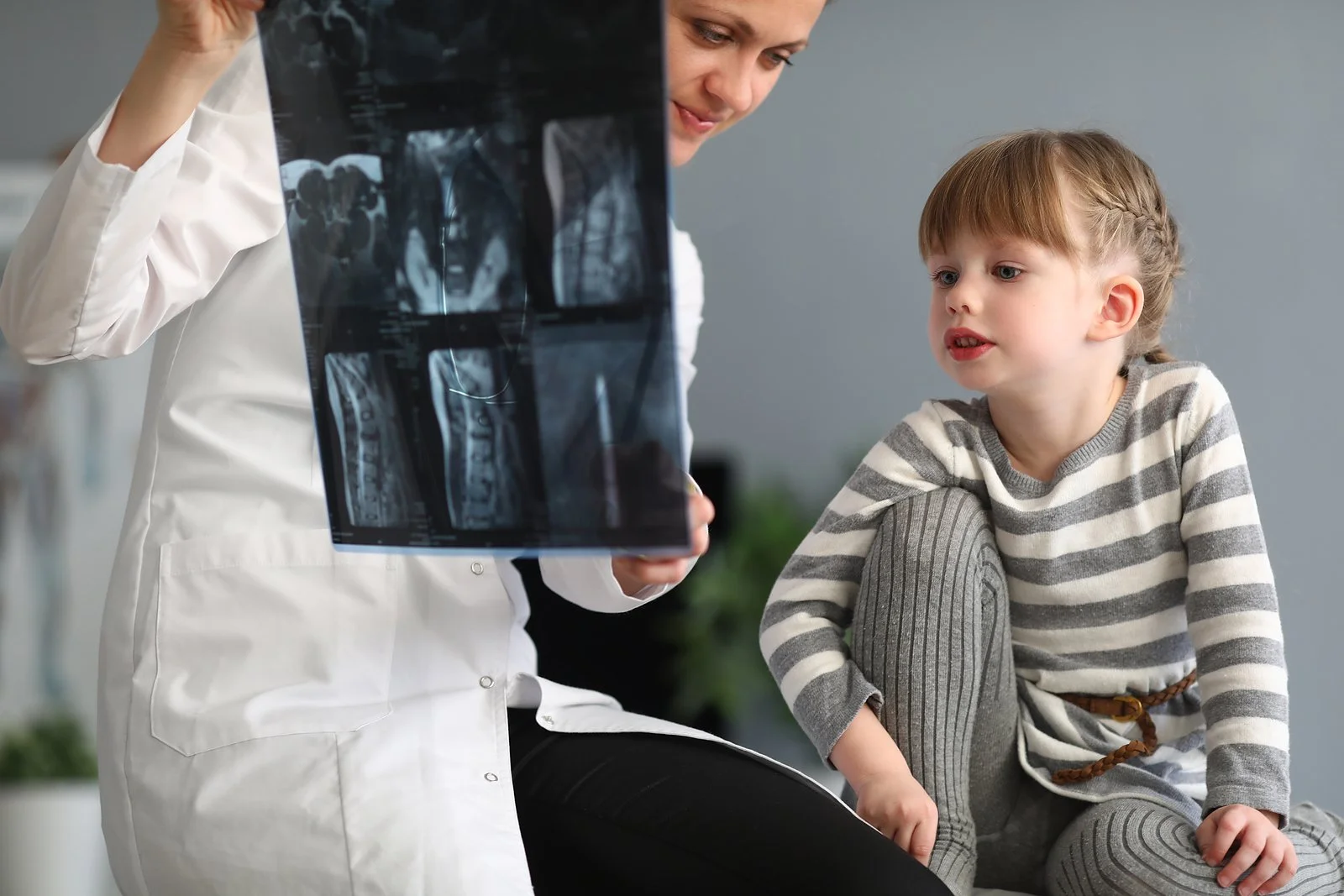
Scoliosis is often misunderstood. Many people associate it only with adolescence or believe it always causes pain - but the reality is far more nuanced. Scoliosis can present differently from person to person, develop for different reasons, and affect the body in unique ways over time.
At Tanasse Chiropractic in the Olympia area, we see patients of all ages with scoliosis - some newly diagnosed, others who have lived with it for years without fully understanding how it impacts their body. With the right approach, chiropractic care can play a meaningful role in supporting movement, comfort, and overall function.
How Chiropractic Care Can Help Scoliosis
A Real-Life Look at Scoliosis Care
Recently, Dr. Ryen shared a case study from her clinical experience that highlights how scoliosis can present differently from patient to patient, and how thoughtful, individualized care can make a difference over time!
While every spine is unique, this real-life example helps illustrate how scoliosis can benefit from chiropractic care (and traction), and why a personalized approach to that care really matters.
What Is Scoliosis?
Scoliosis is defined as having a curvature of the spine that measures greater than 10 degrees on imaging. Rather than forming a straight vertical line, the spine curves into a “C” or “S” shape when viewed from behind. These curves can appear in different regions of the spine and may progress over time, particularly during periods of growth.
Some people are diagnosed early in life, while others may not realize they have scoliosis until adulthood - often after noticing changes in posture, discomfort, or uneven movement patterns.
Types of Scoliosis Based on Curve Location
Scoliosis is often categorized by where the curve appears along the spine. Common types include:
Thoracic scoliosis - A curve in the upper or mid-back that may influence shoulder height and rib positioning.
Thoracolumbar scoliosis - A curve spanning the junction between the thoracic and lumbar spine.
Lumbar scoliosis - A lower back curve that can affect pelvic alignment and gait.
Double major scoliosis - Two curves, typically one thoracic and one lumbar, forming an “S” shape.
Each curve pattern influences muscles, joints, and movement differently, which is why individualized assessment is essential.
Structural vs. Functional Scoliosis
One of the most important distinctions in scoliosis care is whether the curve is structural or functional.
Structural Scoliosis
Structural scoliosis is anatomical, meaning the curve is abnormally part of the spine’s structural alignment.
Approximately 80% of structural scoliosis cases are idiopathic, meaning no clear cause is identified. These curves are often more complex and may progress during growth phases.
Functional Scoliosis
Functional scoliosis is not structural. Instead, the spine curves temporarily as a compensation for another issue in the body, such as:
Leg length inequality
Pelvic imbalance or joint dysfunction
Postural habits
Muscular tension or imbalance
When the underlying cause is addressed, the spine may return closer to a neutral position.
Screening and Assessment
One commonly used screening tool is Adam’s Forward Bend Test, where the patient bends forward while the provider observes the spine for asymmetry or rib prominence.
A helpful clinical indicator:
If spinal prominence improves when sitting or lying down, the scoliosis is more likely functional
If the curve remains consistent in all positions, it may be structural
Accurate assessment helps guide appropriate care goals and expectations.
Why Scoliosis Can Cause Discomfort - or No Symptoms at All
Not all scoliosis causes pain. Some people remain asymptomatic, while others experience:
Muscle tightness or fatigue
Uneven tension through the back or hips
Reduced range of motion
Postural changes
Neck, mid-back, or low back discomfort
Even when scoliosis isn’t painful, it can still affect how the body distributes load and adapts to daily movement.
How Chiropractic Care Can Support Scoliosis
Chiropractic care does not “cure” scoliosis, but it can support function, comfort, and mobility through a whole-body approach.
Treatment objectives often include:
Improving strength and flexibility
Increasing range of motion, especially on the convex side of the curve
Reducing muscle tension on the concave side
Supporting joint mobility and postural awareness
Care plans are always tailored to the individual, based on curve type, age, lifestyle, and goals.
The Role of Skeletal Maturity
Skeletal maturity plays a significant role in scoliosis progression:
Girls typically reach skeletal maturity around age 16
Boys around age 18
Providers may use indicators like the Risser sign (based on imaging), which assesses iliac crest development, to evaluate growth status. Once skeletal maturity is reached, curves are less likely to progress rapidly, though functional challenges may still exist.
Scoliosis Care Across the Lifespan
Scoliosis affects people at all stages of life. Children and teens may focus on movement and monitoring changes, while adults often seek care for comfort, mobility, and long-term function.
At our Olympia-area clinic, chiropractic care is adapted to treat each individual’s symptoms in the stage that they are at - because no two spines or care needs are the same.
A Whole-Body, Supportive Approach
Scoliosis doesn’t exist in isolation. It influences posture, movement, muscle tone, and daily habits. Chiropractic care looks beyond the curve itself to support how the body functions as a whole.
With thoughtful, individualized care, people with scoliosis can move through life with greater ease, awareness, and confidence!