What to Expect After Acupuncture: Healing Responses, Results, and What’s Normal
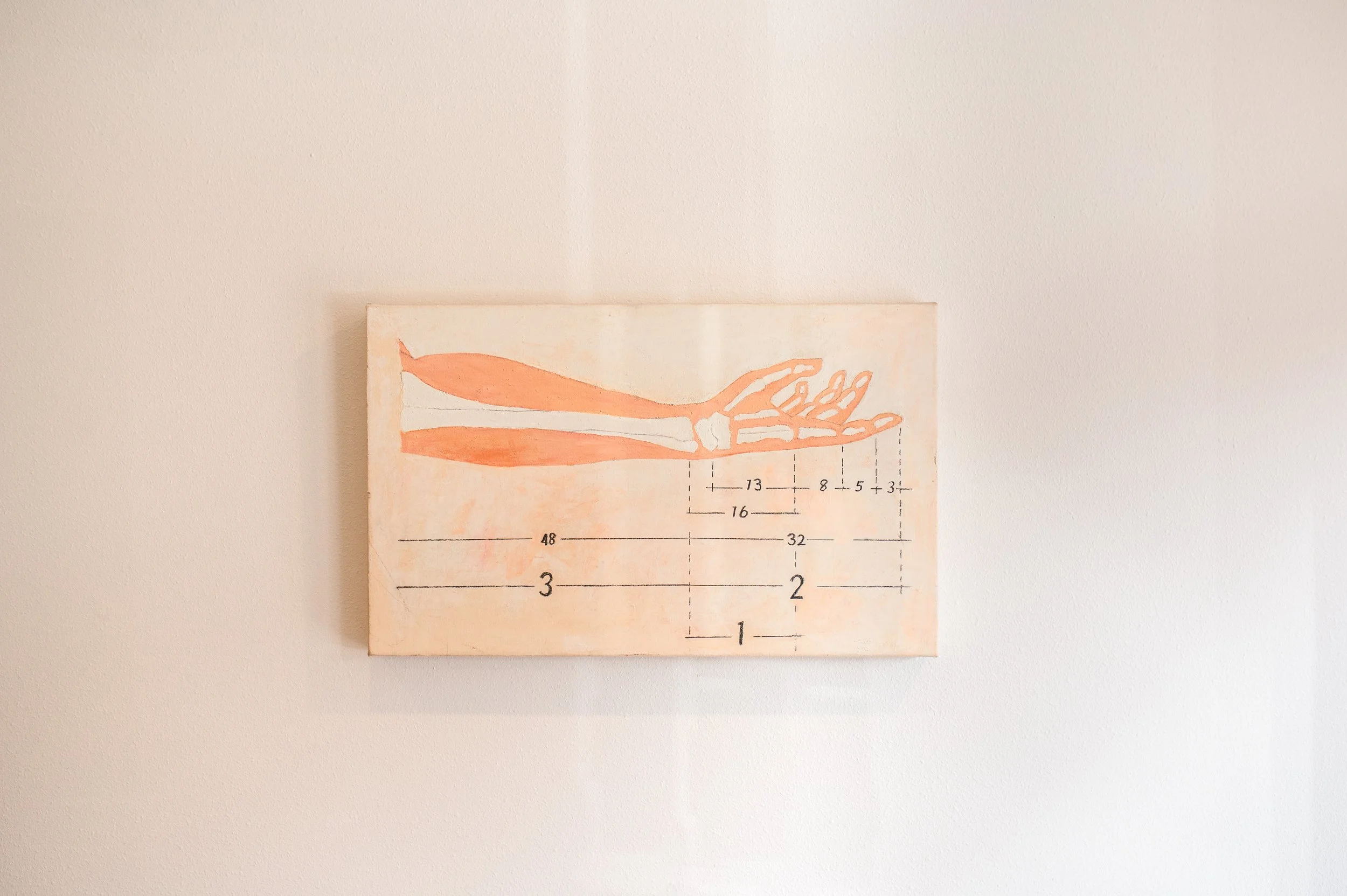
After acupuncture, it’s normal to feel deeply relaxed, energized, sleepy, or mildly sore. Some people experience temporary fatigue, emotional release, or subtle symptom changes as the body adjusts. These responses usually resolve within 24-48 hours and often signal that your nervous system is responding to treatment.
If you’ve ever wondered “What will I feel like after acupuncture?” you’re not alone. This is one of the most common questions patients ask - especially after their first session.
Acupuncture is a gentle but powerful therapy that works with your nervous system, circulation, and your body’s natural healing processes. Because every body is different, post-treatment experiences can vary. The good news? Most sensations are completely normal and often a positive sign that your body is adapting!
Below, we’ll walk through what to expect after acupuncture, including common feelings, healing responses, timelines for results, and how to support your body afterward.
How Your Body Responds After Acupuncture
Acupuncture stimulates specific points that communicate directly with the nervous system. Even after the needles are removed, your body continues processing those signals - sometimes for hours or even days.
Some people notice immediate changes, while others experience gradual improvements over time. Both responses are normal and valid.
Common Sensations After Acupuncture
Right after your appointment, you may notice:
A deep sense of relaxation or calm
Feeling sleepy, grounded, or mentally clear
A boost in energy
Mild soreness or heaviness at needle sites
Warmth, tingling, or gentle pulsing sensations
There’s no “correct” response. Your experience simply reflects how your nervous system is regulating and recalibrating.
Healing Responses: What’s Normal and Temporary
Sometimes, acupuncture triggers what’s known as a healing response. This doesn’t mean something is wrong, it means your body is adjusting and processing change.
Common healing responses may include:
Temporary fatigue
Mild headaches
Muscle soreness or achiness
Digestive changes
Emotional release (feeling tearful, reflective, or unusually calm)
These responses are typically short-lived and resolve within 24-48 hours. Staying hydrated, eating nourishing meals, and allowing time for rest can help support this phase.
Emotional Changes After Acupuncture
Because acupuncture works closely with the nervous system, emotional shifts are also common. Some people feel:
More grounded or centered
Less anxious or overwhelmed
Emotionally lighter
More aware of stress patterns in their body
Acupuncture can help release tension that’s been stored in the body for a long time. Emotional responses may feel subtle or significant - both are completely normal parts of the healing process.
When Will You Start Noticing Results?
The timeline for results depends on several factors, including:
What you’re seeking care for
How long symptoms have been present
Stress levels and overall health
How frequently you receive treatment
After the First Session
Some people experience immediate relief or noticeable changes within a day or two. Others may feel small shifts that build gradually.
With Ongoing Care
For chronic or long-standing concerns, acupuncture is most effective when done consistently over a series of visits. Each session builds on the last, helping the body shift patterns more sustainably.
What to Do After Acupuncture (Aftercare Tips)
Supporting your body after treatment can help maximize results.
Helpful Aftercare
Drink plenty of water
Eat balanced, nourishing meals
Rest if your body feels tired
Pay attention to physical or emotional changes
Things to Avoid (When Possible)
Intense workouts immediately after treatment
Skipping meals
Overloading your schedule
Giving your body time to integrate treatment is an important part of the healing process.
Is It Normal to Feel Worse Before Feeling Better?
Sometimes, yes - especially if your body has been compensating for a long time. A brief increase in symptoms can occur as your system begins to rebalance. This is usually temporary and followed by improvement.
If something feels concerning or lingers longer than expected, it’s always okay to reach out and check in.
When to Contact Your Provider
You should follow up if you experience:
Severe or persistent pain
Symptoms that last longer than a few days
Any concerns about how your body is responding
Open communication helps ensure your care is tailored to your needs.
Acupuncture Is a Process, Not a One-Time Fix
Acupuncture doesn’t force change - it supports your body in doing what it’s designed to do: heal, regulate, and adapt. Some benefits are immediate, while others unfold gradually with consistent care. Every response offers information about what your body needs next.
If you’re curious about acupuncture or wondering whether it’s right for you, we’re always happy to answer questions and talk through what care might look like for your specific goals.
Frequently Asked Questions About Acupuncture Aftercare
How long do the effects of acupuncture last?
Effects may last from hours to days after a session, with longer-lasting benefits building over time.
Is it okay to nap after acupuncture?
Yes. Rest is encouraged if your body feels tired.
Can I go back to work after acupuncture?
Most people can resume normal activities, but listening to your body is key.