Hip Overload Injuries: Why Your Hips Hurt & How Chiropractic Care May Help
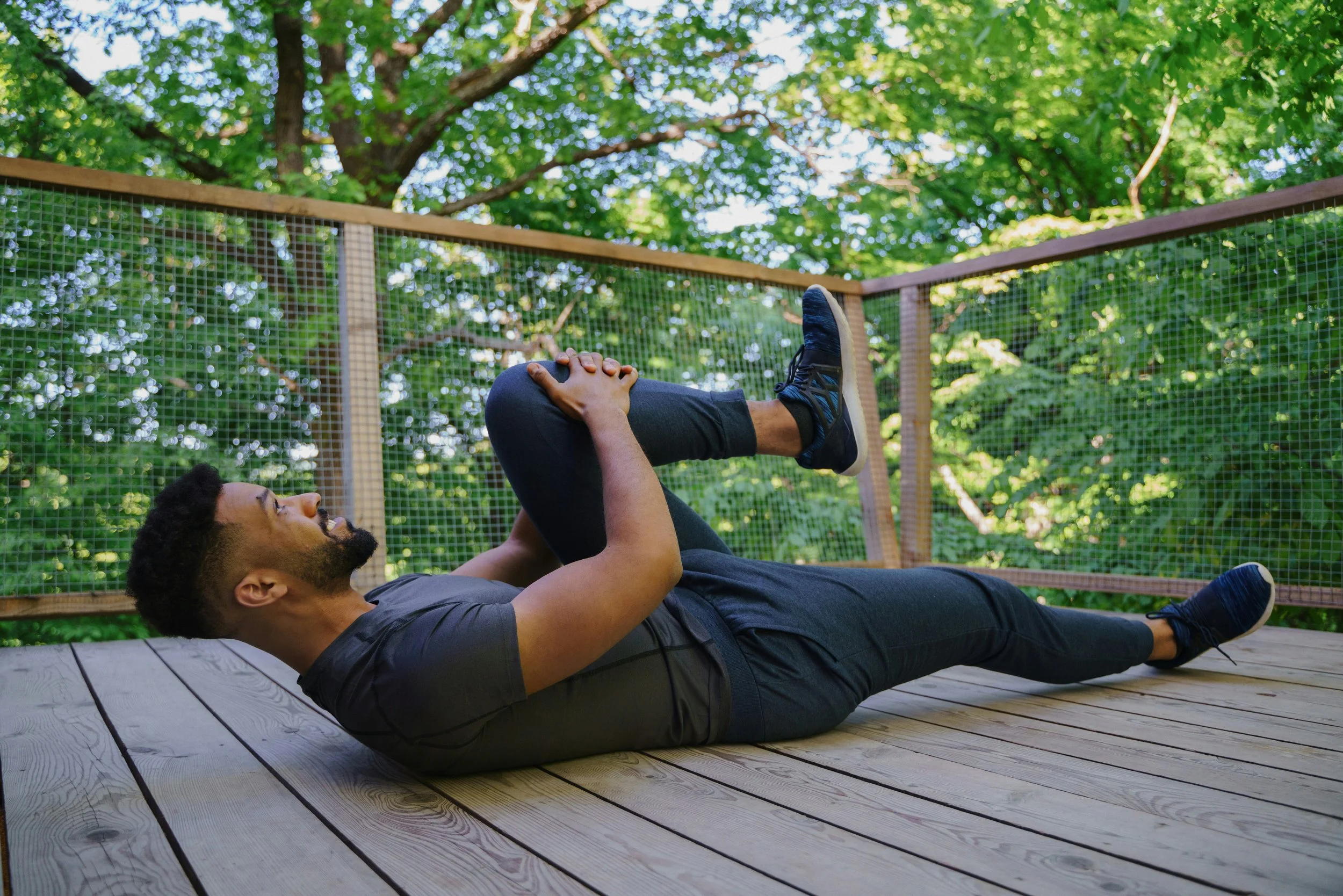
Your hips do a lot more work than most people realize. Whether you’re hiking, running, rowing, dancing, lifting, gardening, or simply climbing stairs throughout the day, your hips help support nearly every movement your body makes.
Because they carry so much responsibility, the hips are especially prone to what chiropractors often call “overload injuries.”
At Tanasse Chiropractic, Dr. John frequently works with patients experiencing hip pain caused by doing “too much, too soon” or “too much, too long.” These injuries can develop gradually over time or suddenly after an increase in activity, trauma, or repetitive movement patterns.
In this blog, we’ll explore common hip overload injuries, symptoms to watch for, and how chiropractic care may help improve comfort, mobility, and function.
Why Your Hips Hurt & How Chiropractic Care May Help
What Is an Overload Injury?
An overload injury occurs when tissues in the body are placed under more stress than they can properly recover from. This can happen suddenly, like taking on an intense activity after a long break, or gradually through repetitive movement over time.
The hip joint is especially vulnerable because it is one of the body’s major weight-bearing joints. It supports balance, stability, and movement during walking, running, climbing, squatting, and more.
Some common examples of hip overload injuries include:
Hiking long distances without proper conditioning
Increasing workout intensity too quickly
Repetitive sports movements
Auto accident trauma
Years of joint wear and tear
Repetitive lifting, bending, or twisting
Overtraining without adequate recovery
Sometimes symptoms appear immediately. Other times, they build slowly until everyday activities become uncomfortable.
Watch Dr. John (and Dr. Olivia!) walk through some of the most common hip overload injuries we see in the office, including arthritis, glute irritation, impingement, and activity-related hip pain:
Common Signs of Hip Dysfunction
Hip overload injuries can present in several ways depending on which structures are irritated or inflamed.
Common symptoms may include:
Hip stiffness
Pain when walking or climbing stairs
Discomfort sleeping on one side
Reduced hip mobility
Pain in the groin, outer hip, or glutes
A waddling or altered walking pattern
Pain during exercise or after activity
Clicking, pinching, or catching sensations in the hip
Lower back tightness associated with hip tension
Many patients are surprised to learn that hip dysfunction can also contribute to knee pain, lower back pain, and altered posture or gait patterns.
Hip Arthritis & Joint Wear
One of the most common overload-related hip conditions is osteoarthritis, often referred to as “wear-and-tear” arthritis.
Hip arthritis occurs when cartilage in the joint gradually wears down over time, leading to stiffness, inflammation, and reduced movement. It is more common after age 40, although previous injuries or trauma can accelerate joint changes earlier in life.
Patients with hip arthritis often notice:
Pain with walking
Difficulty climbing stairs
Trouble putting on shoes or socks
Loss of hip rotation
Stiffness after sitting
Pain at night or while sleeping on the affected side
At Tanasse Chiropractic, hip mobility testing is often an important part of evaluating whether joint restriction may be contributing to discomfort.
Gluteus Medius Injuries & “The Waddle”
Another extremely common overload injury involves the gluteus medius, a muscle located on the side of the hip that helps stabilize the pelvis during walking and standing on one leg.
When this muscle becomes irritated, weak, or inflamed, patients may develop:
Outer hip pain
Tenderness along the side of the hip
Pain with hiking or running
Difficulty balancing on one leg
A waddling walking pattern
This condition is especially common after sudden increases in activity, like going on a long hike without proper preparation. Dr. John often sees it after patients jump into summer activities too quickly, such as backpacking, running, or steep hiking.
Research also shows that gluteus medius tendon irritation can become more common during menopause due to hormonal and tendon-related changes.
Stretching, mobility work, soft tissue treatment, and improving hip stability may all play an important role in recovery.
Hip Impingement & Labral Irritation
Some hip problems are caused by structural irritation inside the joint itself.
Hip impingement occurs when the ball and socket of the hip do not move together smoothly. Over time, this can create pinching, irritation, inflammation, and even labral tears.
This issue is commonly seen in people involved in activities requiring repetitive deep hip movement, including:
Dance
Gymnastics
Rowing
Heavy lunges or squats
Martial arts
Certain athletic training programs
Patients often describe:
Pinching in the front of the hip
Sharp pain during deep movement
Loss of mobility
Catching or clicking sensations
Mild to moderate cases may respond well to conservative care focused on mobility, joint mechanics, muscle balance, and reducing inflammation. More severe cases sometimes require referral for additional medical evaluation.
Auto Accidents & Sudden Hip Trauma
Not all overload injuries happen slowly.
Auto accidents and sudden collisions can place enormous force through the hips and pelvis. Even bracing for impact can transfer force into the hip socket, joint capsule, and surrounding muscles.
Many people focus on neck or back pain after an accident but may not initially realize the hips were affected as well.
These injuries can lead to:
Joint irritation
Muscle guarding
Reduced mobility
Inflammation around the hip capsule
Compensation patterns affecting the back or knees
Comprehensive chiropractic evaluations often look at the entire kinetic chain to identify areas contributing to ongoing discomfort.
How Chiropractic Care May Help Hip Pain
At Tanasse Chiropractic, treatment for hip overload injuries is often multifaceted and personalized to the patient’s condition, activity level, and goals.
Depending on the situation, care may include:
Chiropractic Adjustments
Manual or instrument-assisted adjustments may help improve joint mobility and reduce restriction in the hip and surrounding structures.
Soft Tissue Therapy
Muscles surrounding the hip—including the glutes, hip flexors, and psoas—can become tight or irritated during overload injuries. Soft tissue techniques may help reduce tension and improve movement quality.
Mobility & Stretching Guidance
Improving hip flexibility and movement patterns can help reduce excessive strain on irritated tissues.
Instrument-Assisted Techniques
Some patients prefer gentler instrument-assisted approaches instead of traditional manual adjustments.
Activity Modification & Recovery Support
Part of treatment often includes helping patients safely return to activities while avoiding reinjury.
When Should You Seek Care for Hip Pain?
It may be time to seek professional evaluation if your hip pain:
Persists longer than a few days
Limits walking or exercise
Causes limping or altered movement
Interrupts sleep
Continues returning during activity
Feels sharp, pinching, or unstable
Early treatment may help prevent compensation patterns and worsening irritation over time.
Hip Pain in Olympia, Washington
If you’re dealing with hip stiffness, overuse injuries, arthritis-related discomfort, or movement limitations, chiropractic care may help improve mobility and support recovery.
At Tanasse Chiropractic, our team works with patients experiencing a wide variety of hip-related concerns, from hiking injuries and sports overuse to chronic joint stiffness and post-accident discomfort.
Whether your goal is returning to the trails, staying active, or simply moving more comfortably throughout the day, we’re here to help support your body’s movement and healing process.
Seeing the technique in action can help illustrate just how gentle and focused this approach is!