Flying Without the Aches: A Chiropractor's Guide to Staying Comfortable on Airplanes
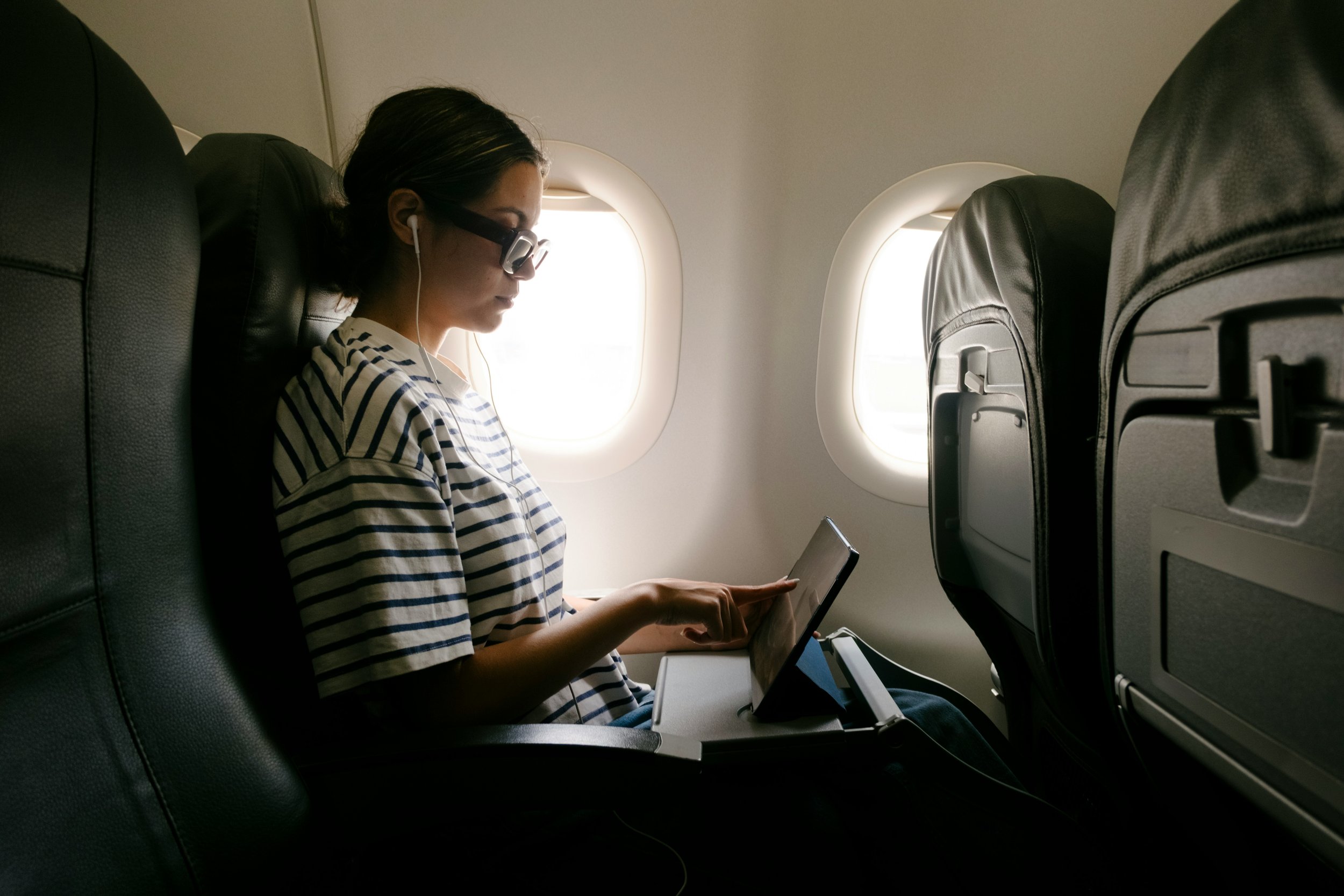
Whether you're jetting off for a summer vacation, heading home for the holidays, or traveling for work, there's one thing many travelers have in common after landing: feeling stiff, sore, and ready to stretch.
Hours spent sitting in an airplane seat can place added stress on your neck, back, hips, and joints. The good news? A little planning can go a long way toward helping you arrive feeling more comfortable and ready to enjoy your destination!
At Tanasse Chiropractic, we regularly help patients prepare for travel and recover afterward. Here are some of our favorite chiropractor-approved tips to help make your next flight easier on your body.
Quick Flight Checklist
Before your next trip, remember to:
✔ Choose an aisle seat when possible
✔ Stay hydrated throughout your flight
✔ Stand up and stretch every 30-60 minutes when it's safe
✔ Change your sitting position regularly
✔ Support your lower back with a rolled-up sweatshirt or jacket
✔ Use a neck pillow, or the headrest support on the airplane seat if you plan to sleep
✔ Remove your wallet from your back pocket before sitting
✔ Do ankle pumps (up-and-down movements) and gentle seated stretches during the flight
✔ Wear a backpack instead of a one-shoulder carry-on
✔ Lift luggage with your legs, not your back
✔ Consider gate-checking your carry-on if offered
✔ Dress in comfortable layers
✔ Schedule chiropractic care before or after your trip if needed
Now let's take a closer look at why each of these simple habits can make such a difference!
1. Get Up and Move Whenever You Can
Our bodies simply weren't designed to stay in one position for several hours.
If possible, try standing up every 30 minutes. We know that isn't always realistic, especially during turbulence or when the seatbelt sign is on, but even standing for 30 to 60 seconds every hour can help reduce stiffness.
Walking to the restroom, stretching your legs, or simply changing positions helps improve circulation and prevents your muscles and joints from becoming overly tight.
A simple trick? Stay hydrated. Drinking plenty of water is good for your body, and those extra restroom trips naturally encourage you to get up and move throughout the flight.
2. Choose Your Seat Strategically
When booking your flight, an aisle seat is often worth it.
It gives you the freedom to stand, stretch, and reposition yourself without climbing over your seatmates. Even while seated, you may have a little more room to gently extend your legs when the aisle is clear.
If standing for long periods tends to bother your back or hips, here's another tip many travelers overlook: don't feel pressured to stand in the boarding line for 20 minutes. Unless you need overhead bin space, consider waiting until the line has shortened before boarding. Spending those extra minutes comfortably seated at the gate may be much easier on your body than standing in place.
3. Change Positions Throughout the Flight
Many people find one "comfortable" position after takeoff and stay there for hours.
Instead, try changing your posture every 30 minutes or so. Recline your seat slightly, then return it upright later. Shift your hips. Readjust your feet.
Your body likes movement and variety. Even small position changes help distribute pressure across different muscles, joints, and spinal discs instead of concentrating stress in one area for the entire flight.
4. Support Your Spine While You Sit
Airplane seats aren't exactly known for outstanding lumbar support.
A simple solution is rolling up a sweatshirt, light jacket, or small blanket and placing it behind your lower back. Supporting your spine's natural curve can reduce strain on your low back and help you sit more comfortably during longer flights.
While you're getting settled, don't forget one more thing: take your wallet out of your back pocket.
Sitting on a bulky wallet for several hours can subtly tilt your pelvis and increase your chances of experiencing sciatica, creating uneven pressure through your hips and lower back. It's a small change that can make a surprisingly noticeable difference.
It's also helpful to keep items you'll need during the flight - like headphones, medications, snacks, or chargers - within easy reach. Constantly twisting under the seat or reaching into the overhead compartment can put unnecessary stress on your back.
5. Protect Your Neck If You Plan to Sleep
If you're someone who falls asleep shortly after takeoff, a supportive neck pillow can be well worth packing.
Without support, your head naturally falls forward or to the side, placing prolonged stress on the muscles and joints in your neck.
A travel pillow helps keep your head in a more neutral position, reducing the likelihood of waking up with neck pain or stiffness.
No neck pillow? Even a rolled-up sweatshirt behind your neck can provide more support than letting your head hang unsupported.
6. Keep Your Blood Flowing
Long flights can slow circulation, which is another reason movement matters.
Many travelers choose to wear compression socks during longer flights to support healthy circulation. However, compression socks aren't right for everyone.
If you've been prescribed a specific compression level by your primary care provider, follow those recommendations. If you have swelling (edema), heart conditions, circulation concerns, or other medical conditions, it's always best to discuss compression garments with your healthcare provider before using them.
Even while seated, you can encourage circulation by doing simple exercises such as:
Ankle pumps (moving your ankles with simple up-and-down movements).
Ankle circles
Tightening and relaxing your calf muscles
Gentle shoulder rolls
Slow neck movements
These exercises only take a few seconds and can help reduce stiffness throughout your flight.
7. Pack Smarter to Protect Your Back
Your back often experiences the most strain before you even board the plane.
Instead of carrying a heavy shoulder bag, consider using a backpack. Distributing weight evenly across both shoulders places much less stress on your neck, shoulders, and spine.
When lifting luggage into the overhead compartment, remember a few basics:
Bend your knees.
Keep the bag close to your body.
Avoid twisting while lifting.
Ask for assistance if your bag feels too heavy.
Here's one of our favorite travel hacks: if the airline asks for volunteers to gate-check carry-on luggage, consider taking them up on the offer.
Not only might you receive perks like earlier boarding or complimentary gate-checking, but you'll also avoid wrestling a heavy suitcase into the overhead bin - a task that commonly aggravates back pain.
8. Dress for Comfort
Airplane cabins can fluctuate quite a bit in temperature.
Cold muscles often become tighter and less flexible, so dressing in comfortable layers allows you to adjust throughout your flight and stay warm without overheating.
Comfortable clothing and supportive shoes can also make walking through airports much easier on your joints.
9. Consider Chiropractic Care Before, or After, Your Trip
If you're already dealing with back pain, neck pain, or stiffness before traveling, several hours in an airplane seat usually won't make those symptoms better.
Scheduling a chiropractic visit before your trip may help you start your vacation feeling your best. Likewise, if you're feeling especially tight or sore after returning home, an adjustment and personalized treatment plan can help your body recover from the demands of travel.
Sometimes a little proactive care makes all the difference!
Enjoy the Journey - Not Just the Destination
Travel should leave you with wonderful memories, not unnecessary aches and pains.
While flying isn't always the most comfortable experience, a few simple habits can dramatically improve how your body feels when you arrive. Think of these tips as small investments that pay off throughout your vacation. When your neck, back, and joints feel better, it's easier to enjoy sightseeing, hiking, exploring new cities, or simply spending quality time with the people you traveled to see.
Wherever your next adventure takes you, we hope you arrive feeling refreshed, comfortable, and ready to make the most of every moment.
And if you'd like a little extra support before you leave, or after you return, our team is here to help. We'd be happy to create a personalized care plan to help you travel more comfortably, recover more quickly, and keep doing the things you love!